
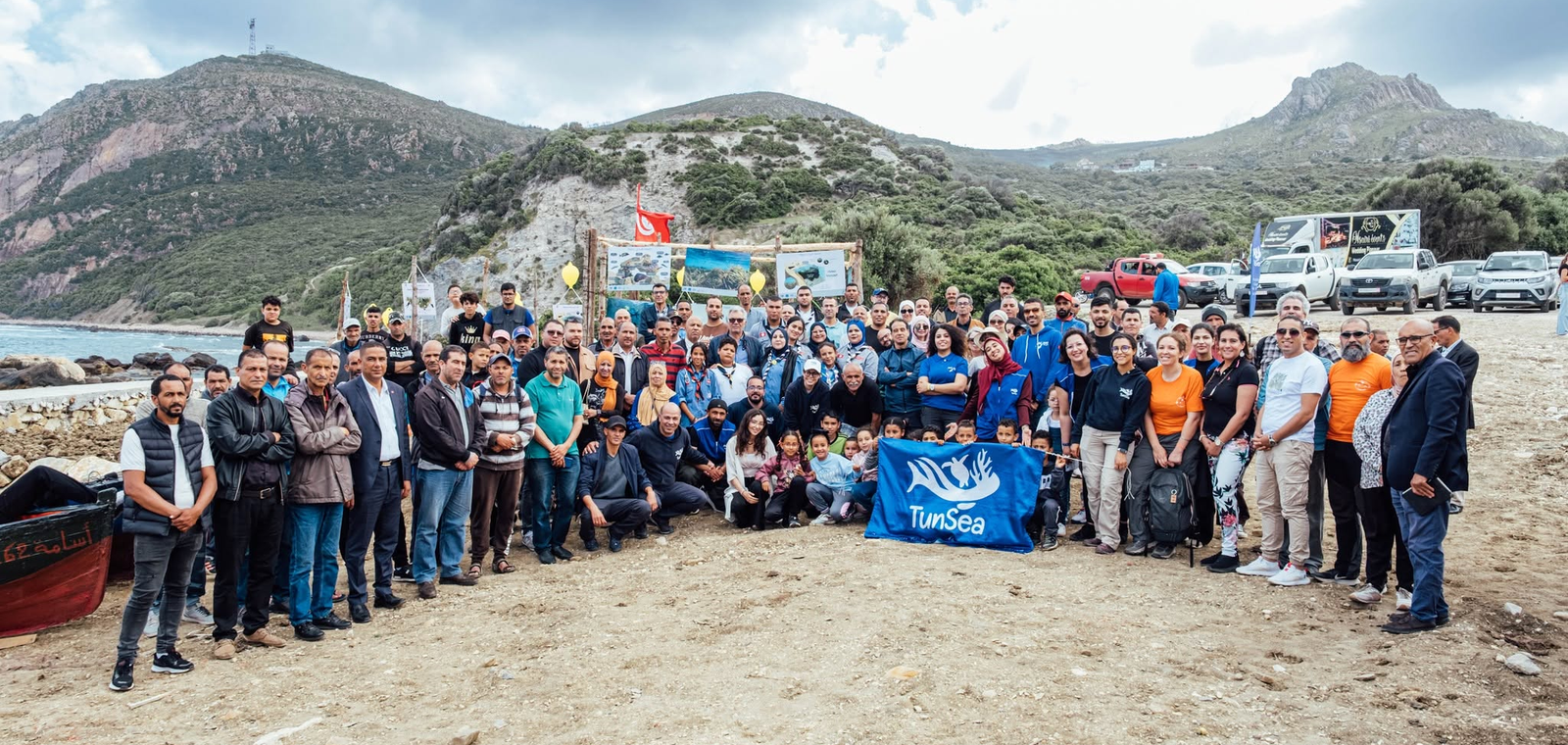
A Journey from Fishermen’s Knowledge to Sustainable Ecotourism
Melloula Bay, Tabarka, Tunisia | IUCN-Med
Project holder: Association TunSea pour la Science Participative
Chief Executive – Phase 1: Chaima BEN GRIRA
In collaboration with: The Artisanal Fishermen’s Group (GDA Tabarka)
There are places whose greatest treasures remain hidden, not because they are inaccessible, but because they have not yet been fully discovered, and Melloula Bay, in Tabarka, Tunisia, is one of these places.
Rich in aquatic biodiversity and deeply connected to the daily lives of artisanal fishermen, the bay became the starting point for a project built around a simple idea: what if the people who know the sea best could become the first ambassadors of its biodiversity?
With the support of IUCN-Med, Association TunSea pour la Science Participative launched Les Trésors Cachés de la Baie de Melloula, bringing together artisanal fishermen, scientific knowledge, environmental monitoring, and sustainable tourism.
The project unfolded step by step.
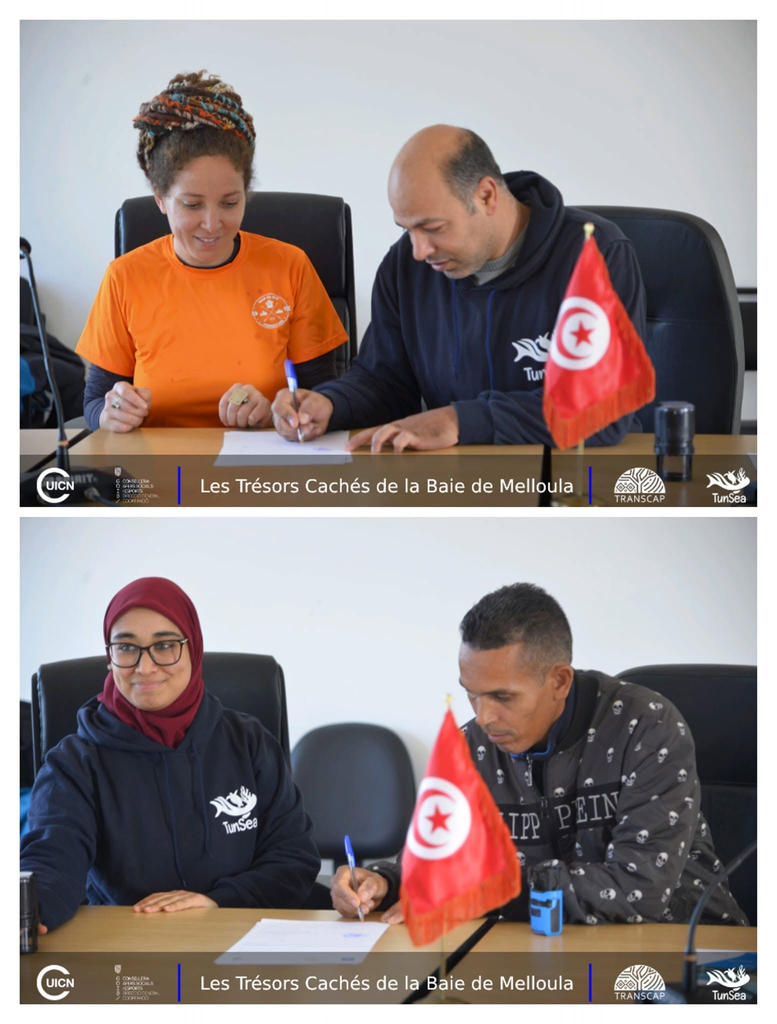
Step 1: Learning to Observe the Sea
The journey began with the artisanal fishermen.
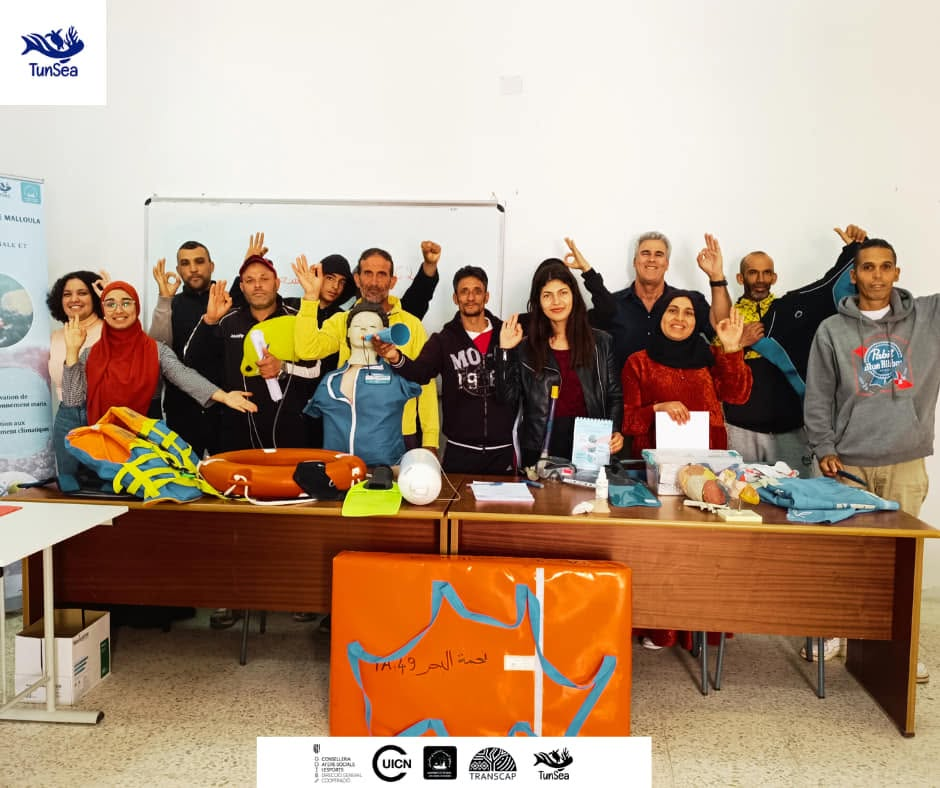
Before creating a tourism experience, the project first invested in people. Fishermen from the local group participated in training designed to strengthen their understanding of marine biodiversity and develop their capacity to observe and document the species found in the bay.
This first stage created an important connection between local experience and scientific knowledge.
Fishermen already possessed valuable knowledge built through years of interaction with the sea. The project sought to complement this knowledge with scientific methods, allowing them to become active participants in the documentation of the bay’s biodiversity.
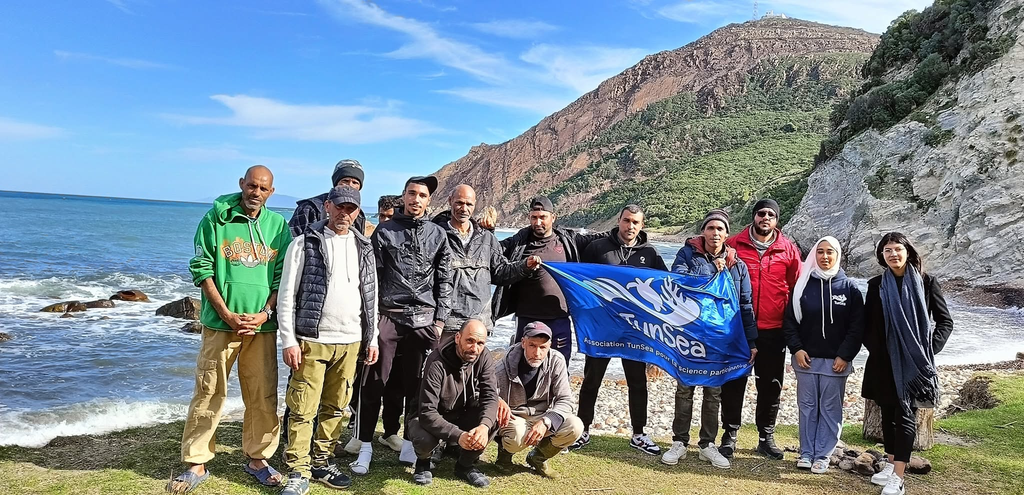
Step 2: From Observation to Scientific Monitoring
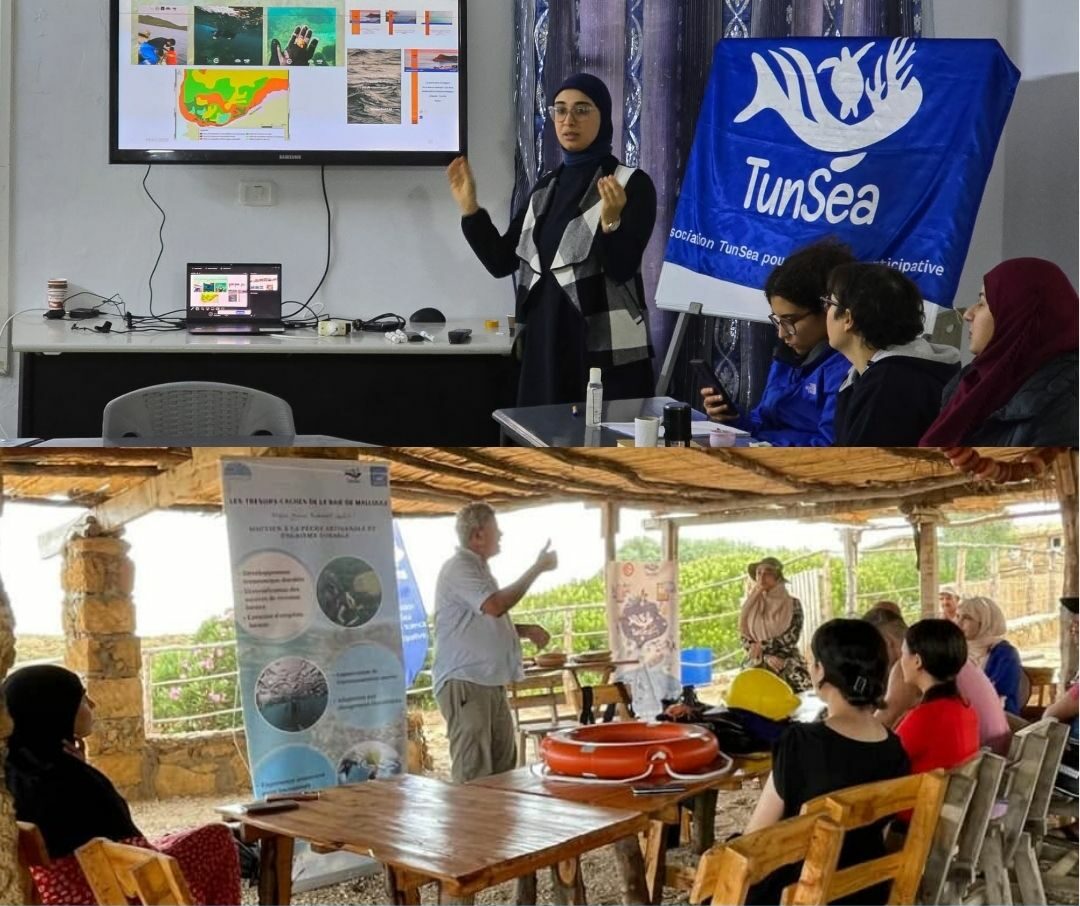
Training was conducted in parallel with scientific monitoring and species identification.
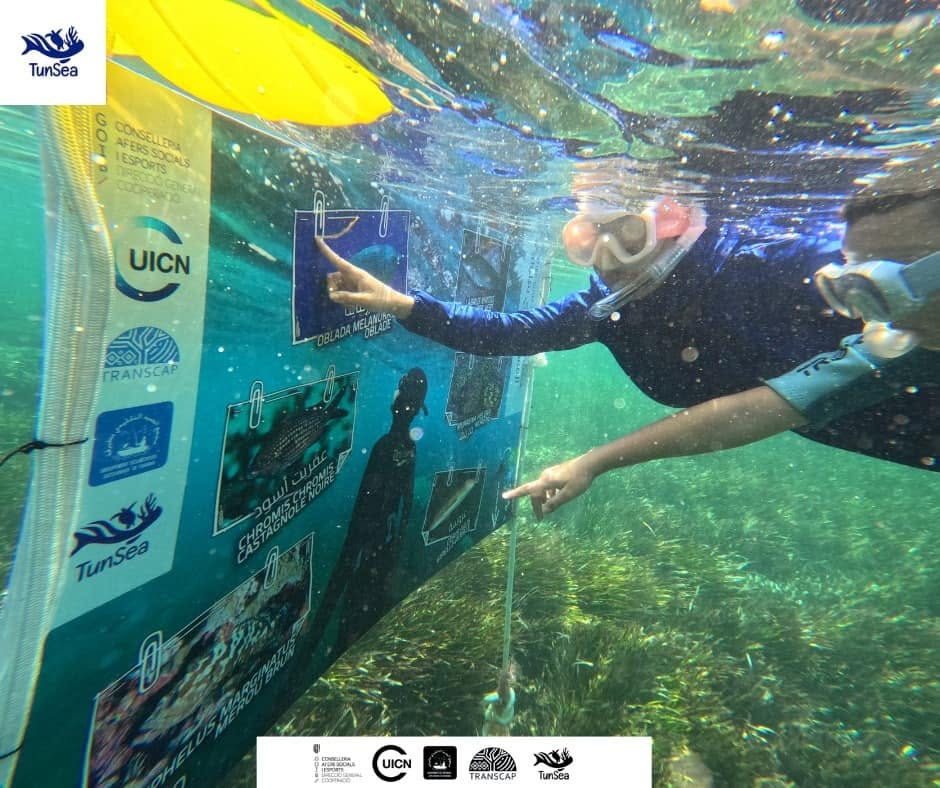
Together, the team began documenting the aquatic biodiversity of Melloula Bay, identifying species and building a better understanding of the natural richness of the area.
This step was essential: before inviting people to discover the bay, it was necessary to understand and document what makes it special.
Science therefore became a tool not only for conservation but also for storytelling, giving names, knowledge, and meaning to the biodiversity that had long been part of the fishermen’s environment.
Step 3: Preparing the Hidden Treasures for Discovery
Once the biodiversity and natural features of the area had been documented, the project moved from observation to site preparation.
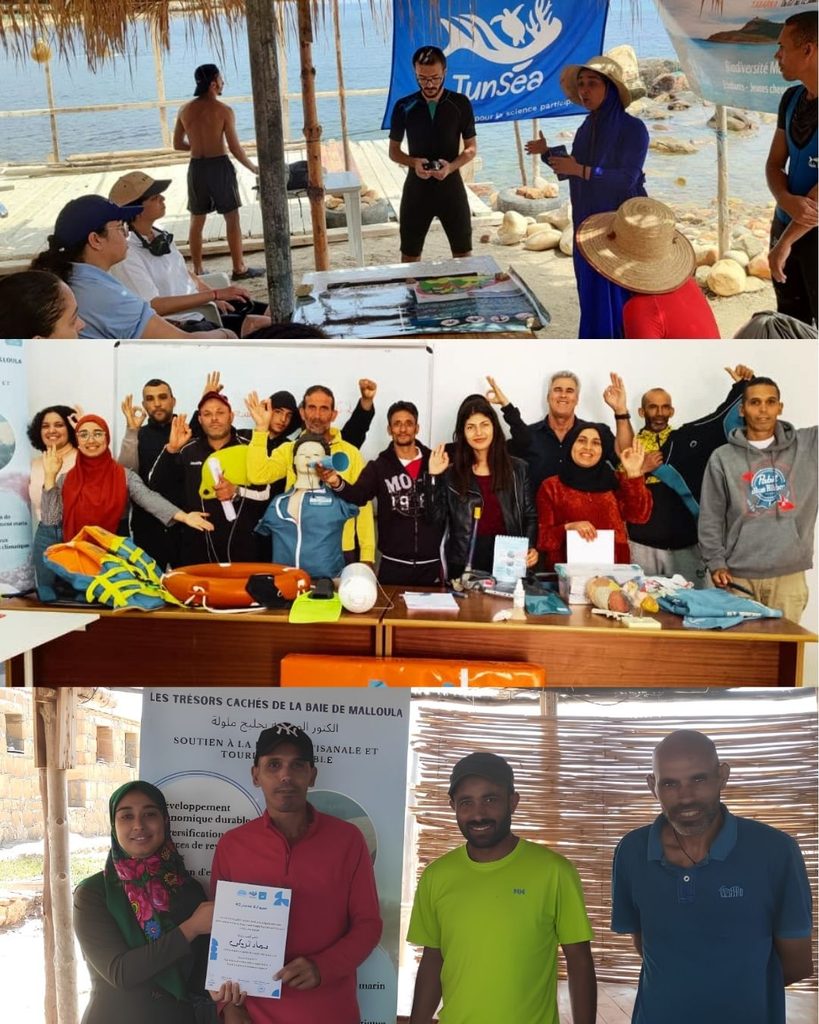
A trail and visitor experience were developed to allow people to discover the natural heritage of Melloula Bay in a responsible way.
The objective was to create a space where visitors could explore, learn, and experience the environment while respecting the ecosystems that make the bay unique.
The trail became a bridge between the local community, science, nature, and visitors.
Step 4: Opening the Door to Ecotourism
The final step was the launch of the ecotourism activity.
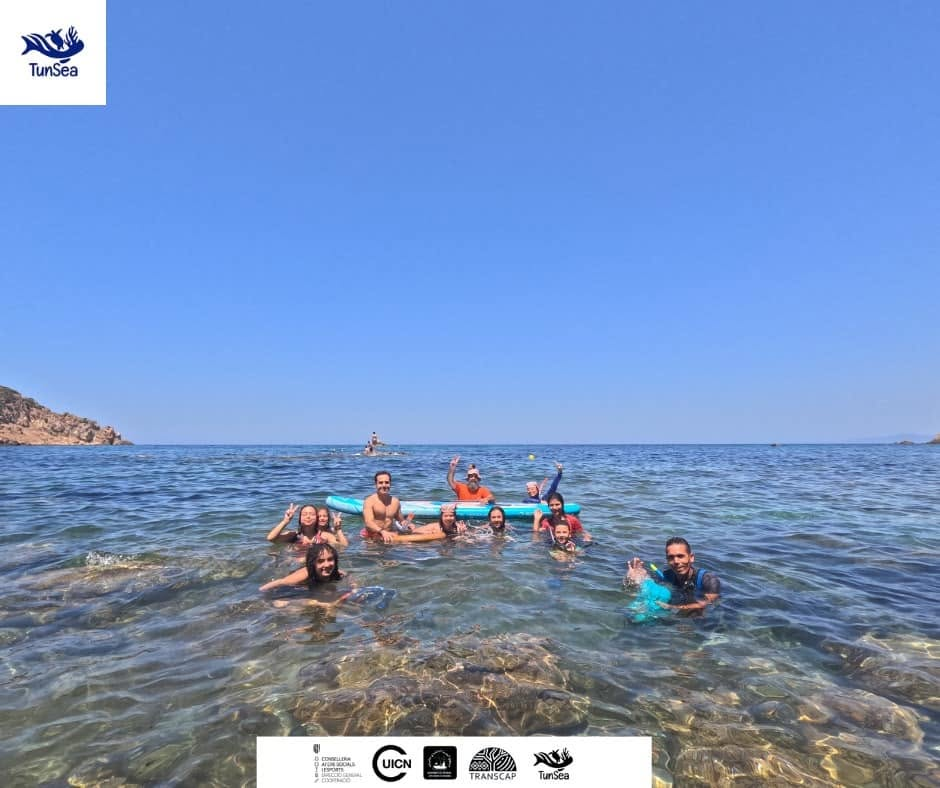
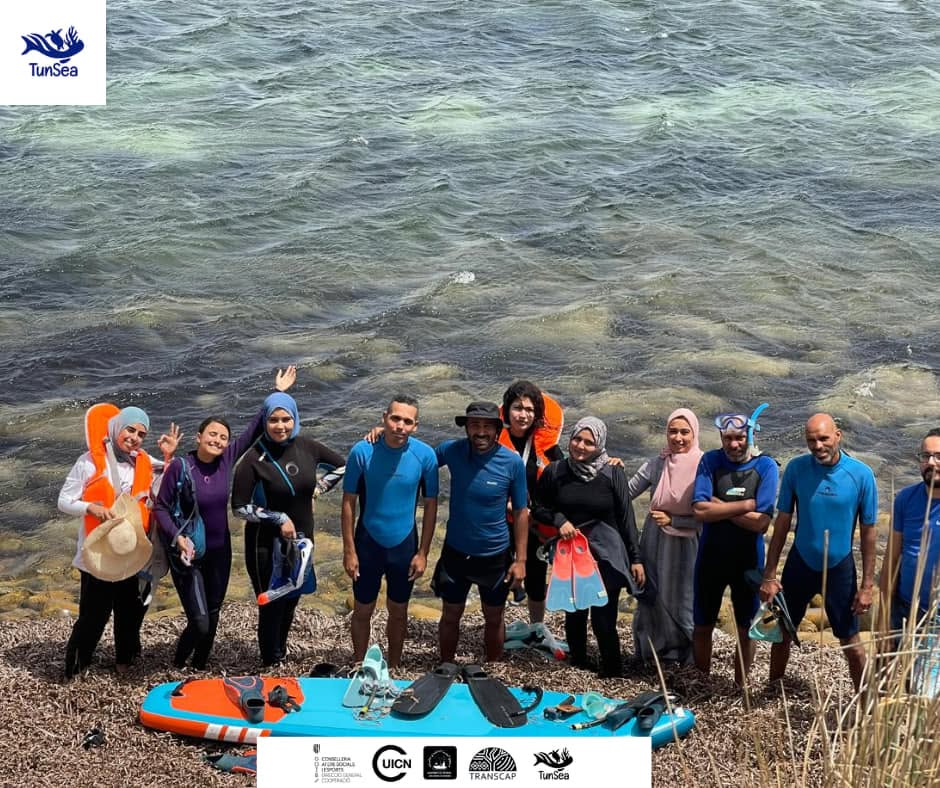
The hidden treasures identified through the project could now become part of a new sustainable experience combining ecotourism, outdoor and sport activities, environmental discovery, and the valorization of aquatic biodiversity.
Instead of seeing tourism and conservation as separate objectives, the project brought them together. The sea became both a place to discover and a heritage to protect
A Different Role for the Fishermen
One of the project’s strongest dimensions is the changing role of the artisanal fishermen.
They are not simply beneficiaries of the project. They become participants, observers, knowledge holders, and potential guides and ambassadors for their marine environment.
Their knowledge, combined with scientific monitoring, creates a richer and more authentic way of presenting Melloula Bay.
This participatory approach also opens the door to new opportunities for local communities while strengthening awareness of the importance of protecting marine biodiversity.
From Hidden Treasures to Sustainable Opportunities
Les Trésors Cachés de la Baie de Melloula demonstrates how a project can move progressively from capacity building to scientific knowledge, from knowledge to site development, and from site development to sustainable economic activity.
Each step prepared the ground for the next.
The project is ultimately about more than creating an ecotourism activity. It is about changing the relationship between people and their marine environment by giving local communities the knowledge, tools, and opportunities to become part of its protection.
The story continues
The treasures of Melloula Bay were never truly hidden from those who lived alongside them. The project helped make them visible, understandable, and shareable while creating a pathway toward sustainable tourism and the long-term valorization of aquatic biodiversity.
A bay. A community. A shared knowledge. A new way of discovering the sea.
And this is where the vision of She4Sea—She for a Sustainable Mediterranean Sea—comes to life: connecting people, knowledge, local action, and the blue economy to build a more sustainable future for the Mediterranean.