
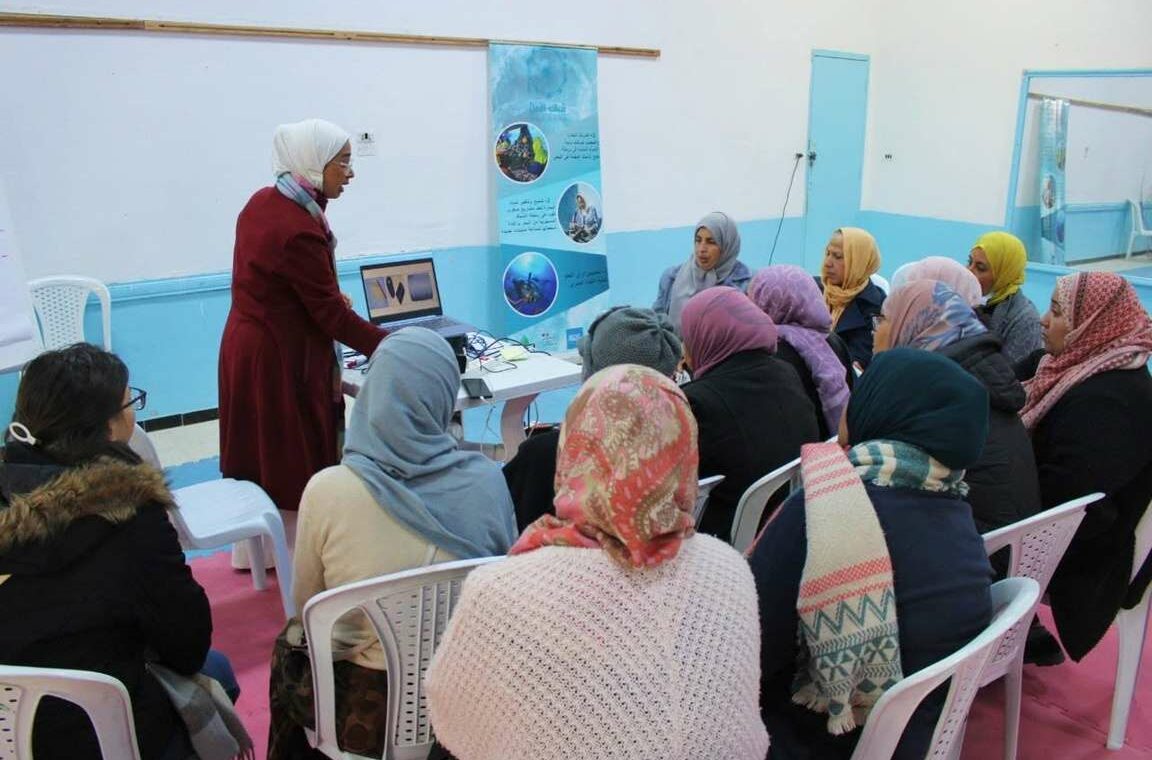
Training is the most requested and least evaluated intervention in the sector. Attendance is recorded, certificates are issued, and the question of whether anything changed afterwards is rarely asked.
We design programmes for the answer to that question.
Principles
Three commitments shape every programme we run.
Train more people than the role requires. A cooperative with one trained bookkeeper is one departure away from having none. We deliberately over-train, across households and age groups.
Teach on the group’s own material. Not a worked example — this cooperative’s landings, this year’s prices, the contract currently on the table. Skills taught on real documents transfer; skills taught on hypotheticals do not.
Finish with something that exists. Every programme ends with an artefact the group keeps and uses: a working ledger, a signed set of rules, a completed application, a price agreement.
If nothing exists at the end that did not exist at the beginning, it was a workshop, not training.
Programmes we run
- Cooperative governance. Membership, voting, signatories, dispute resolution. The unglamorous rules that decide whether a group survives its first serious disagreement.
- Bookkeeping and record-keeping. From notebook to spreadsheet, ending with twelve months of records a bank will accept.
- Negotiation and contracts. Reading a supply agreement, identifying the clause that matters, and practising the conversation.
- Post-harvest handling. Cold chain, hygiene, grading and the direct relationship between each of those and price.
- Women’s leadership. Delivered as practice — chairing, speaking, representing the group externally — not as encouragement.
Language and format
Sessions run in Arabic, French or English. Materials are supplied in the language participants read most comfortably, which is not always the language of the funding agreement. Where literacy varies within a group, we build the material to work aloud as well as on paper.
Follow-up
Every programme includes a check-in some months later, because the questions that matter arrive when the group tries to use what it learned rather than on the day it was taught.