
Blue economy strategy is not short of documents. Most coastal states in the region have a maritime plan, a fisheries strategy and at least one donor-funded roadmap. What is usually missing is the connective work: deciding what happens first, who is accountable, and what the plan means for the people who already work on the water.
Where we are useful
We work with ministries, development agencies, funders and larger cooperatives at the point where an intention has to become a sequence of decisions. That includes translating a national strategy into something a coastal governorate can act on, testing whether a proposed intervention will survive contact with existing supply chains, and finding the two or three changes that unlock the rest.
We are most useful before a programme is designed, and immediately after one has stalled.
How the work runs
Assignments usually begin with fieldwork rather than desk review. Landing sites, cooperative meetings, buyers and processors first; documents second. A strategy written without that sequence tends to describe a fishery that does not exist.
Every plan we have seen fail was internally coherent. It simply described somebody else’s coast.
From there the work is deliberately narrow: a small number of recommendations, each with a named owner, an indicative cost and an honest statement of what has to be true for it to work.
What you receive
- A written strategy or roadmap, in French or English, sized to be read by a decision-maker rather than filed.
- A prioritised sequence — what to do first, and what genuinely cannot start until something else has happened.
- Stakeholder mapping that includes the informal actors most analyses miss, particularly women in processing and trade.
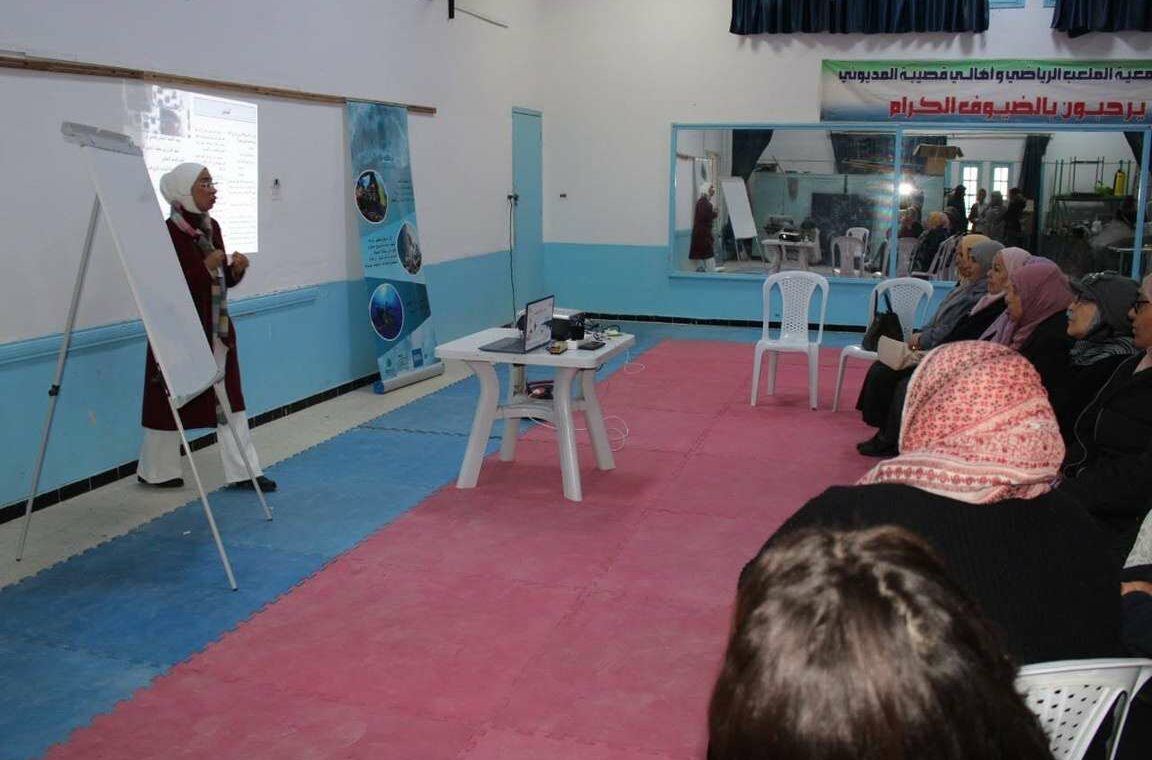
- A briefing session for the people who will have to deliver it.
How we work with funders
We are frequently asked to review a portfolio rather than design a project: which of these interventions are likely to still be running in three years, and why. That review is more useful conducted before disbursement than as an evaluation afterwards, and we will say so if asked at the wrong stage.